Selling Your Home After 60 in Melbourne, Florida: What to Know Before You Sell

Are you thinking about selling a home you've lived in for 20, 30, or even 40 years?
Maybe you're considering downsizing, moving into a 55+ community, relocating closer to family, or simply finding a home that better fits your life today.
Whatever your reason, selling your home today is probably going to be very different from the last time you sold a property.
The Short Answer
If you're selling your home after 60 in Melbourne, Florida, start by understanding today's buyers, determining your home's realistic market value, making strategic decisions about repairs and staging, evaluating potential inspection concerns, and giving yourself plenty of time to sort through your belongings.
Before listing, you should also understand your estimated net proceeds, how moving may affect your Florida property taxes, and what you'll need financially and practically for your next home.
Selling a longtime home isn't just about getting a house sold. It's about making sure the decisions you make today put you in a good position for what comes next.
I'm Tina Veltri, a Realtor® with LPT Realty serving Melbourne and communities throughout Brevard County on Florida's Space Coast. I work with homeowners who have spent decades in their homes, people preparing for their next chapter, and families navigating the sale of a parent's home or inherited property.
Let's look at what you need to know before you start.
Watch: Selling Your Home After 60? What You Need to Know Before You Start
In this video, I share five important considerations for longtime homeowners, including real experiences from homes I've helped sell in Viera and Merritt Island.
[EMBED YOUTUBE VIDEO HERE]
1. Understand How Today's Homebuyers Think
When was the last time you sold a home?
If it's been 20 or 30 years, the way buyers search for and evaluate homes has changed considerably.
Today's buyers are shopping online long before they ever walk through your front door. They're looking at photographs, floor plans, videos, and property descriptions, and they're comparing your home with everything else available in their price range.
And they're not necessarily seeing your home the way you do.
Remember that kitchen you remodeled 20 years ago and still love?
Today's buyers may look at that same kitchen and see something they want to update.
That doesn't mean there's anything wrong with your kitchen. But we need to look at it through a buyer's eyes.
Buyers are considering:
-
How your home compares with competing properties.
-
Whether the home is move-in ready.
-
What improvements they may need to make after closing.
-
Whether the condition of the home justifies its asking price.
Here's the thing. Your home doesn't have to be completely updated to sell successfully.
I've sold homes here on Florida's Space Coast that were beautifully maintained but dated.
The key is understanding what you're selling, who your likely buyer is, and how your home compares with the competition.
That's where preparation, presentation, and pricing need to work together.
2. Price Your Home Correctly From the Beginning
Pricing your home can be particularly difficult when you've owned it for decades.
You've watched property values increase. You've made improvements, maintained the property, and invested money into making it your home.
Then you see your neighbor down the street list their home for a certain price, and naturally, you start wondering whether yours could sell for that amount too.
Your Neighbor's Asking Price Isn't Your Home's Market Value
Before comparing your home with another property, we need to look at the whole picture.
-
What condition was your neighbor's home in?
-
Was it updated?
-
How old were the roof and air-conditioning system?
-
Did it have impact windows or other improvements?
-
How did the location, lot, and floor plan compare?
-
What did the home actually sell for?
That last question is particularly important.
An asking price and a selling price are two different things.
Even within the Melbourne area, homes in Suntree, Viera, Lake Washington, and established Melbourne neighborhoods can attract different buyers and have different competing properties.
That's why a pricing strategy needs to reflect your specific home and its local market, rather than relying solely on a broad Melbourne-area average.
Why Starting With a High Asking Price Can Work Against You
One thing I frequently hear from homeowners is:
"Let's just start high. We can always come down."
I understand why that sounds like a good strategy.
But buyers don't always make offers on overpriced homes. Sometimes they don't even come to look at them.
They see the price, compare the home with competing properties, and move on.
Then your home sits on the market, and a few weeks or a month later, you're reducing your price and trying to attract buyers who may have already passed on your home.
I'd much rather position your home correctly from the beginning than spend weeks chasing the market with price reductions.
That doesn't mean giving your home away. It means developing a pricing strategy that gives your home the best opportunity to attract serious buyers.
Read more: Price Your Home Wrong, Watch It Sit.
Understand Your Net Proceeds Before Planning Your Next Purchase
There's another number I want you to understand, particularly if you're downsizing or purchasing another home.
What your home sells for isn't necessarily what you'll have available for your next purchase.
We need to consider:
-
Any remaining mortgage or home equity loan balance.
-
Real estate brokerage fees.
-
Seller closing expenses.
-
Potential buyer concessions.
-
Agreed-upon repairs and other transaction expenses.
You'll also want to budget for moving, storage, and any preparation expenses you pay before closing.
Understanding these numbers early can help you make more informed decisions about your next home.
3. Be Strategic About Preparing and Staging Your Home
With my background in design, visual merchandising, and home staging, this is one of my favorite parts of selling a home.
I love walking through a property and figuring out how to make it look its best.
But as I've said before, staging isn't decorating.
Staging is marketing.
We're not decorating the home for you. We're preparing it for the people who are going to buy it.
Sometimes that means making changes. Other times, it means knowing what to leave alone.
A Merritt Island Home That Didn't Need a New Kitchen
I worked with a family whose mother had moved into assisted living. Her daughter lived in New York and couldn't come down to Florida to handle the house and get it ready for sale.
Her mother had owned the Merritt Island home for decades.
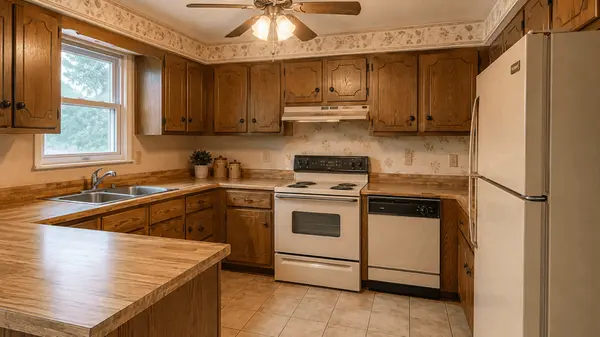
The house was extremely dated. It didn't even have a dishwasher, and there were knickknacks everywhere.
You can imagine what it would have cost to start updating that kitchen and other areas of the home.
But that's not what the property needed.
I handled getting the home ready for her daughter, including decluttering, deep cleaning, removing unnecessary belongings and furniture, and rearranging the remaining furniture.
We didn't renovate the kitchen.
We priced the home appropriately for its condition and sold it as-is.
Sometimes the smartest financial decision you can make when selling is not spending money on renovations that don't make financial sense.
A Viera Home Where Painting Made Sense
Another home I listed in Viera needed a different approach.
Once everything was cleared out, we could see nail holes, marks, and imperfections on the main room walls, including areas where the entertainment center had been.
Painting was one of those relatively simple improvements that made sense for that property.
When you've lived in a home for decades, you've probably accumulated photographs, artwork, and furniture that have been in the same locations for years.
Once those items are removed, you may discover marks, nail holes, or uneven paint that you hadn't noticed before.
And believe me, buyers notice.
The goal isn't to make every home look brand new.
It's to make smart decisions about what will help that particular home — your home.
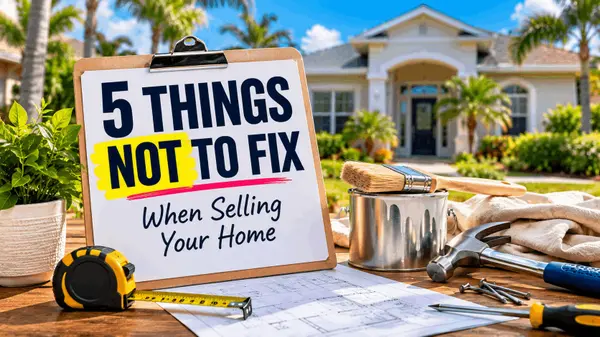
Before spending money on improvements, read my article 5 Things NOT to Fix When Selling Your Home.
4. Know Your Home's Condition Before Putting It on the Market
I'm a big believer in discussing pre-listing inspections with sellers, especially homeowners who have lived in their properties for a long time.
I don't like surprises during a real estate transaction, particularly surprises that could have been discovered before we listed the home.
That doesn't mean every property needs a pre-listing inspection. But it's certainly something worth considering.
What a Pre-Listing Inspection Revealed in Viera
Remember the Viera home I mentioned earlier?
The homeowners followed my recommendation and had a pre-listing inspection.
We discovered that the HVAC system had an issue that needed to be addressed.
We also discovered that some raccoons had made themselves a little home in a concealed area of the attic.
Can you imagine finding those things out after accepting an offer and having the buyer conduct their own inspection?
Fortunately, we were able to address both issues before putting the property on the market.
That's just one example of why having information early can be so valuable.
Why Home Condition Matters When Selling in Florida
Here in Melbourne and throughout Brevard County, the condition of a property can affect more than its market value.
It can also influence insurance availability, financing, and negotiations during the inspection period.
Areas worth evaluating include:
-
The age and condition of the roof.
-
Heating and air-conditioning systems.
-
Electrical systems.
-
Plumbing.
-
Windows and hurricane protection.
-
Evidence of moisture or water intrusion.
Insurance companies may also request a four-point inspection, particularly for older homes.
Just because something is old doesn't automatically mean it needs to be replaced.
But we do need to understand whether its condition could create an obstacle for a potential buyer.
Having that information before listing allows us to make more informed decisions about repairs, pricing, and how we market the property.
Read more: Home Inspections in Florida: What Buyers Need to Know Before Closing.
5. Start Decluttering Before You're Ready to Sell
This may be one of the biggest challenges longtime homeowners face, and it has absolutely nothing to do with the real estate market.
It's everything you've accumulated over the years.
Furniture. Photographs. Collectibles. Holiday decorations. Family heirlooms. Boxes you haven't opened in years.
And then there's the good china you've been saving for your children.
Here's something I've said before, and I know people don't always like hearing it.
Your kids probably don't want your stuff.
At least, they probably don't want everything you've been saving for them.
They may have different tastes, smaller homes, or plenty of belongings of their own.
Find out what they actually want to keep.
What One Viera Family Did Right
Long before the Viera home needed to be sold, the parents had already started getting rid of things they knew their children weren't going to want.
Now think about the difference between doing that gradually and having to sort through an entire household while preparing for a move.
I've worked with families where we've coordinated estate sales, yard sales, donations, and junk removal.
Having a plan makes an enormous difference.
How Do You Declutter a Home You've Lived in for 30 Years?
Start small.
One closet. One cabinet. One room at a time.
Decide which items you want to:
-
Keep and take to your next home.
-
Give to family or friends.
-
Sell.
-
Donate.
-
Discard or arrange to have removed.
If you're planning to move into a smaller home, think about how much space you'll realistically have for furniture, storage, and the things you want to keep.
You don't need to make every decision today.
Sometimes You're Sorting Through Memories
Maybe this is the house where you raised your children.
Maybe some of those belongings belonged to your parents. Or perhaps you're going through things that belonged to a spouse who has passed away.
None of that is easy.
Moving out of a longtime home is a big transition. And there's nothing wrong with being excited about where you're going while feeling emotional about what you're leaving behind.
That's why I encourage homeowners to start early.
If you're thinking about selling a year or two from now, you can start going through things today.
Give yourself time.
Will Your Florida Property Taxes Change When You Downsize?
This is another important consideration for longtime Florida homeowners.
If you've owned your home for decades and have a Florida homestead exemption, there may be a significant difference between your property's current market value and its taxable value.
When you sell and purchase another home, don't assume your property taxes will automatically be lower simply because you're purchasing a smaller or less expensive property.
Understand Florida's Save Our Homes Portability Benefit
Florida's Save Our Homes assessment limitation helps eligible homeowners limit increases in their homesteaded property's assessed value.
When moving from one Florida homestead to another, eligible homeowners may be able to transfer some or all of their accumulated assessment benefit through a process known as portability.
There are eligibility requirements, limitations, application procedures, and deadlines.
Before purchasing another home in Melbourne or elsewhere in Florida, I recommend contacting the property appraiser's office to understand how this may apply to your situation.
Helpful resources:
-
Brevard County Property Appraiser — Assessment Caps and Portability
-
Florida Department of Revenue — Homestead Exemptions and Property Tax Information
As a Realtor, I can help you evaluate your housing options and identify questions you should be asking. Your property appraiser and tax professional can provide guidance specific to your tax situation.
Where Are You Going After Selling Your Home?
Preparing your current home is only one part of the decision.
What do you want your next chapter to look like?
Downsizing doesn't necessarily mean buying the smallest home you can find. Sometimes it's about finding a home that better supports the way you want to live.
Perhaps you're considering:
-
A single-story home with less maintenance.
-
A 55+ active adult community.
-
A condominium or townhome.
-
A new construction home with a more suitable floor plan.
-
A home closer to family, medical facilities, or everyday conveniences.
-
Moving to another part of Florida or another state.
Look beyond the purchase price.
Consider ongoing expenses, insurance, property taxes, HOA fees, maintenance responsibilities, accessibility, and whether the home will continue to meet your needs in the years ahead.
And if you're purchasing another home, we need to determine whether you need to sell your current home first.
That's a conversation worth having before you fall in love with your next property.
How Far in Advance Should You Start Preparing to Sell a Longtime Home?
You don't need to wait until you're ready to put your home on the market to start planning.
Here's a general timeline to help you get started.
12–24 Months Before Selling
-
Start sorting through belongings.
-
Discuss family heirlooms with your children.
-
Explore housing options and potential locations.
-
Get a preliminary understanding of your home's value.
-
Identify your priorities for your next home.
6–12 Months Before Selling
-
Meet with your Realtor to evaluate your home.
-
Discuss potential repairs and preparation.
-
Review estimated selling expenses and net proceeds.
-
Investigate property taxes and ongoing housing expenses for your next home.
-
Determine whether you need to sell before purchasing.
-
Continue decluttering.
1–3 Months Before Selling
-
Update the market analysis and pricing strategy.
-
Consider a pre-listing inspection if appropriate.
-
Complete agreed-upon repairs and preparation.
-
Finalize your staging and marketing plan.
-
Coordinate your moving timeline.
Every homeowner's situation is different. You may need more or less time.
The important thing is to give yourself enough time to make thoughtful decisions instead of rushed ones.
Free Seller Guide: Start Planning Your Next Move
If it's been years since you last sold a home, you may be wondering how the entire process works today.
My free Seller Guide will help you understand preparation, pricing, staging, marketing, negotiations, and the decisions that go into selling successfully.
Even if you're not ready to sell, it's a resource you can use as you begin planning.
Thinking About Selling Your Longtime Home?
If you're considering downsizing or selling a home you've owned for decades in Melbourne or elsewhere on Florida's Space Coast, you don't need to wait until your home is ready to sell to contact me.
Starting the conversation early can help you avoid unnecessary expenses, understand what your home may be worth, and give yourself more time to prepare for your next chapter.
Whether your move is a few months away or a couple of years down the road, let's develop a plan that makes sense for you.
Schedule a Free 30-Minute Personalized Consultation
Learn more about my approach to Selling a Home on Florida's Space Coast and Selling a Parent's Home of Inherited Home.
Moving outside the Space Coast? Through my Real Estate Referral Network, I can help connect you with a real estate professional in the area where you're planning to buy or sell.
Related Articles
5 Things NOT to Fix When Selling Your Home
Before spending thousands of dollars on renovations, learn which improvements may not be worth making and how to evaluate what your home actually needs.
Price Your Home Wrong, Watch It Sit
Understand why your initial pricing strategy matters and how buyers evaluate your home's value against competing properties.
Home Inspections in Florida: What Buyers Need to Know Before Closing
Learn about full home inspections, four-point inspections, wind mitigation inspections, and how property condition can affect a Florida real estate transaction.
Frequently Asked Questions About Selling Your Home After 60
What should I do first when selling a home I've owned for decades?
Start by understanding your home's potential market value, evaluating its condition, and considering where you want to live next. Talk with a Realtor before committing to major renovations or expensive improvements.
How early should I start preparing to sell my longtime home?
Beginning 12 to 24 months ahead can give you time to sort through belongings, explore housing options, and make thoughtful decisions. You can also meet with a Realtor well before you're ready to list.
Do I need to renovate an older home before selling it in Melbourne, Florida?
Not necessarily. A well-maintained but dated home can sell successfully when priced and presented appropriately. Renovation decisions should depend on the property's condition, competing homes, buyer expectations, and the likely financial benefit of the improvements.
Should I get a pre-listing inspection before selling my Florida home?
A pre-listing inspection may help identify issues that could affect buyer negotiations, insurance, or financing. It can be particularly helpful for longtime homeowners, although not every property needs one.
Can I transfer my Florida property tax savings when I downsize?
Eligible Florida homeowners moving from one homesteaded property to another may be able to transfer some or all of their Save Our Homes assessment benefit through portability. Contact your county property appraiser to confirm eligibility, application requirements, and deadlines.
How do I start decluttering when I've lived in my home for 30 years?
Start with small, manageable areas. Ask family members which belongings they actually want, and gradually organize items to keep, sell, donate, or discard. Give yourself enough time to make decisions without the pressure of an approaching move.
Should I sell my current home before buying my next home?
It depends on your finances, available equity, housing options, and comfort with carrying two properties. Reviewing your estimated net proceeds, financing options, and timing early can help you determine the best approach.
Do I need to move into a 55+ community when I downsize?
No. 55+ community is one option. A smaller single-family home, condominium, townhome, or new construction home may better suit your needs. The right choice depends on your lifestyle, budget, maintenance preferences, and long-term goals.
About Tina Veltri

About Tina Veltri
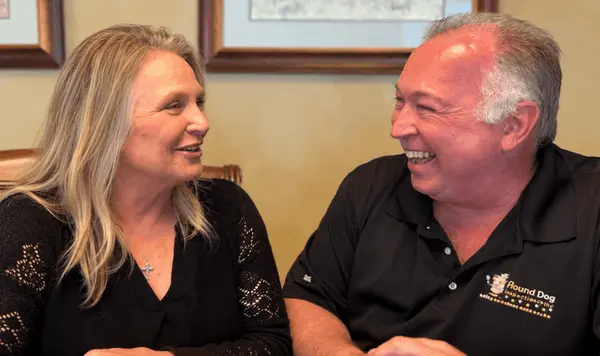
I'm Tina Veltri, a REALTOR® with LPT Realty serving Melbourne and communities throughout Brevard County on Florida's Space Coast.
I help homeowners 55+ navigate their next housing chapter, whether that's downsizing, selling a longtime family home, or buying new construction that better fits their lifestyle. I also specialize in helping families sell a parent's home or inherited property, often during difficult transitions.
Whether you're preparing a home you've owned for decades, helping a parent make a move, managing an inherited property from out of state, or looking for the right home for your next chapter, I help you look at the whole picture before making decisions.
From evaluating a property's condition and deciding what to repair to coordinating vendors, preparing the home for sale, and developing a pricing and marketing strategy, I provide practical guidance and hands-on support throughout the process.
With more than eight years of real estate experience, I hold the Graduate, REALTOR® Institute (GRI) designation and Real Estate Negotiation Expert (RENE) certification. My background in design, visual merchandising, home staging, and education, including a master's degree in Education, shapes the way I help clients understand their options and make informed decisions.
Having grown up on Florida's Space Coast, I bring firsthand local knowledge and an understanding of the communities I serve.
Tina Veltri | REALTOR® | LPT Realty
Serving Melbourne and Brevard County on Florida's Space Coast
321-341-6541 | tina@tinaveltri.com | TinaVeltri.com
Let's Talk About Your Next Move
Whether you're preparing to sell, considering a move, or navigating a family property decision, you don't have to wait until you're ready to make a move to start planning.
Let's evaluate your options, talk through your concerns, and develop a plan that makes sense for you.
Schedule a Free 30-Minute Personalized Consultation to get started.
Want to learn more about my experience and approach? Visit Why Work With Tina.
Buying or selling outside Florida's Space Coast? I can also help you connect with a real estate professional in another Florida market or elsewhere in the country through my Referral Network.
Categories
Recent Posts



Raised on Florida’s Space Coast, Tina Veltri brings local insight and a hands-on approach to every move. Buy | Build | Sell | Relocate with Confidence — and experience strategic staging, smart pricing, and proven results.