Home Inspections in Florida: What Buyers Need to Know Before Closing
Buying a home on Florida's Space Coast? Understanding the difference between a full home inspection, a four-point inspection, and a wind mitigation inspection can help you avoid expensive surprises and make better decisions before closing.
The Short Answer
A standard home inspection provides a broad evaluation of a property's visible and accessible components. A four-point inspection focuses on the roof, electrical, plumbing, and HVAC systems, primarily for homeowners insurance. A wind mitigation inspection documents features that may help a home withstand wind damage and qualify for insurance discounts.
These inspections serve different purposes, and one doesn't replace the others. The important thing is understanding what each inspection tells you, what it doesn't, and which findings could affect your purchase.
What Really Matters During a Home Inspection?
You've found a home you love. Your offer has been accepted, and now it's time for the inspection.
Then the report arrives.
There are pages of photographs, repair recommendations, maintenance items, and comments about things you may not have noticed when you toured the property.
It's enough to make some buyers wonder whether they've made a mistake.
But here's what I want buyers to understand: an inspection report isn't simply a list of things that are wrong with a house. It's information that helps you decide what you're comfortable taking on.
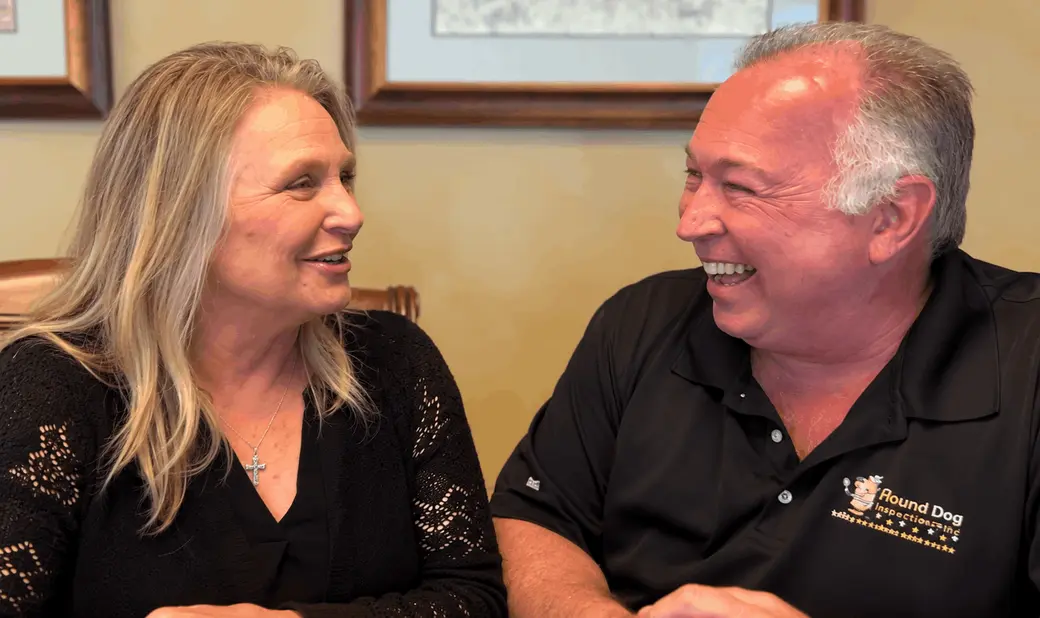
To explain what buyers should pay attention to, I sat down with Bill Daniel of Hound Dog Inspections.
Bill has more than 40 years of experience in and around construction, and we've worked together on numerous home inspections. I've seen how he explains his findings to buyers, and I wanted him to share that knowledge with you.
Watch my interview with Bill Daniel of Hound Dog Inspections
Full Home Inspection vs. Four-Point Inspection vs. Wind Mitigation Inspection
One of my first questions for Bill was about the differences between these three inspections.
They're especially important in Florida, where homeowners insurance can play a significant role in a real estate transaction.
What Does a Standard Home Inspection Cover?
A standard residential inspection is the broadest of the three.
As Bill explained, inspectors examine the home's visible and accessible components, from the roof to the foundation, inside and outside.
Depending on the property and inspection scope, that includes structural components, roofing, electrical systems, plumbing, heating and cooling, windows, doors, and other accessible areas.
The inspector is looking for evidence of defects, damage, safety concerns, and systems that may not be functioning as intended.
But a home inspection has limitations.
An inspector can't see everything hidden behind walls or predict exactly when a system will fail.
That's why the report is an important part of your due diligence, not a guarantee that the house has no problems.
What Is a Four-Point Inspection in Florida?
A four-point inspection focuses on four major systems:
-
Roof
-
Electrical
-
Plumbing
-
Heating and air conditioning (HVAC)
Insurance companies may request this inspection, particularly when evaluating older homes.
Bill explained that the insurance company wants information about conditions that could increase the likelihood of damage or a claim.
A roof leak, unsafe electrical condition, or significant plumbing problem may raise concerns.
But here's the distinction I want you to remember.
A four-point inspection is not a full home inspection.
Bill pointed out that an inspector conducting only a four-point inspection may not be evaluating other significant conditions, such as structural damage or moisture problems outside those four systems.
A house can have an acceptable four-point report and still have problems worth investigating.
What Is a Wind Mitigation Inspection?
A wind mitigation inspection looks at features that may help a home withstand wind damage.
In Florida, those features can influence the windstorm portion of your homeowners insurance premium.
The inspector documents items such as roof shape, roof covering, roof-to-wall connections, and qualifying opening protection.
Bill discussed how important those roof-to-wall connections are and how much detail inspectors must document.
Florida updated its Uniform Mitigation Verification Inspection Form, OIR-B1-1802, effective April 1, 2026. The updated form includes more detailed documentation requirements.
That matters because the information on the form helps an insurance company determine which wind mitigation discounts may apply.
A wind mitigation inspection doesn't tell you whether the entire house is in good condition. It serves a different purpose.
And qualifying for a discount doesn't necessarily mean a home will qualify for insurance coverage. Your insurance company makes that determination.
Why New Construction Homes Still Need Inspections
This is a subject I feel strongly about because I've worked with buyers purchasing new construction, and I've seen things that shouldn't have been missed.
A new home may have brand-new materials, equipment, and finishes.
That doesn't mean everything was installed correctly.
Bill explained why inspections at different stages of construction can be valuable.
The Pre-Drywall Inspection
Before the drywall goes up, an inspector can see things that will soon be concealed.
The framing is exposed. The roof trusses are visible. Electrical wiring, plumbing lines, and HVAC ductwork can be examined before they're covered.
Bill explained that problems sometimes occur where different construction trades meet.
One contractor completes a portion of the work, another contractor completes something else, and an important detail gets missed between them.
A pre-drywall inspection gives buyers an opportunity to identify certain problems while those components are still accessible.
Timing matters. You need to coordinate the inspection with the builder before insulation or drywall prevents the inspector from seeing the work.
The Final Inspection Before Closing
A final new-construction inspection serves a different purpose.
Now the systems are installed and operational.
The inspector can check outlets, operate plumbing fixtures, evaluate heating and cooling equipment, and look for leaks or other installation problems.
Bill also discussed sewer-line camera inspections, which may reveal construction debris or other obstructions in drain lines.
Not every buyer will need every optional inspection, but it's worth understanding what's available and discussing it with your inspector.
The Air-Conditioning Vent Hidden Behind Drywall
Bill shared an example that perfectly illustrates why independent inspections matter.
During a new-construction inspection, his team discovered that drywall had been installed over an air-conditioning vent.
The ductwork was there, but the opening had been covered.
Using thermal imaging, Bill identified the concealed vent.
Imagine moving into your brand-new home and discovering that a room doesn't cool properly because a vent was covered during construction.
It's the kind of problem that might not be obvious during a quick walkthrough.
That's why I encourage buyers to consider independent inspections, even when the builder has its own inspection process.
If you're buying a new home, read my article about Why Independent Inspections Matter During New Construction.
Are Cracks in Florida Stucco Homes a Serious Problem?
If you've toured homes around Melbourne, Palm Bay, Viera, or other parts of Brevard County, you've probably noticed cracks in stucco.
Some are small hairline cracks. Others look more concerning.
I asked Bill how buyers should think about them.
He explained that inspectors consider the direction, width, location, and surrounding conditions when evaluating cracks.
Small vertical cracks can occur at stress points. Stair-step cracks may indicate uneven movement, particularly around corners or openings. Horizontal cracks can also warrant further investigation.
But no single crack pattern tells the entire story.
A hairline crack may be relatively minor, while a wider crack, displacement, or other signs of movement could indicate a more significant problem.
That's why I wouldn't tell a buyer to ignore a crack simply because it looks small.
Have the inspector evaluate it, and when the findings warrant it, seek an assessment from an appropriate specialist.
Why Bill Kept Talking About Water
One thing that stood out during our conversation was how often Bill came back to water management.
He talked about gutters, downspouts, and the importance of directing water away from the foundation.
Water collecting near a house can contribute to moisture problems, erosion, and movement over time.
Here on Florida's Space Coast, where heavy rainfall is common, drainage deserves attention.
Sometimes a relatively straightforward drainage correction can help prevent a much bigger problem.
The important thing is identifying what's causing the issue rather than simply covering up the visible damage.
Which Home Inspection Findings Should Buyers Worry About?
This is where I think buyers need the most guidance.
An inspection report may contain dozens of findings.
Some are ordinary maintenance items. Others may require substantial repairs or additional evaluation.
And a few could affect insurance, financing, or whether you want to proceed with the purchase.
Bill explained that when he meets with buyers after an inspection, he starts with the significant findings.
He talks about the potentially expensive problems, safety concerns, and issues that may require immediate attention.
Then he works through the smaller items.
That's exactly the kind of explanation buyers need.
A loose cabinet hinge isn't the same as an electrical hazard.
A dripping faucet isn't the same as a significant plumbing leak.
And an older roof isn't necessarily a defective roof.
Three Questions to Ask After Your Inspection
1. Is this a significant defect or a maintenance item?
You want to understand the seriousness of the finding and whether additional evaluation is recommended.
2. Could it affect homeowners insurance or financing?
This is particularly important in Florida. Problems involving roofing, electrical, plumbing, or HVAC systems can create insurance concerns that affect a buyer's ability to complete the purchase.
3. What could it cost to address?
If the inspector identifies a major concern, obtaining an estimate from a qualified contractor or specialist may help you understand the financial implications.
And remember, the inspector and your Realtor have different roles.
Bill evaluates and explains the property's condition.
My job is to help you understand how those findings may affect your purchase, the contract, negotiations, and the decisions you need to make before your deadlines.
That's why I encourage buyers to involve both professionals rather than trying to interpret a complicated inspection report alone.
The Foreclosure That Looked Like a Bargain
Bill shared a story about a foreclosure that buyers were considering.
The price was attractive, but the property had serious problems.
He described a buckling wall, extensive roof leaks, severe moisture damage, and visible mold-like growth.
Conditions were so bad that he needed protective equipment to continue the inspection.
Meanwhile, the buyers were walking through the house, thinking about where their furniture would go.
Bill stopped to explain what he was finding.
The buyers began to understand that this wasn't simply a house needing a few repairs.
It was a property that could require extensive work before they could safely occupy it.
They ultimately decided not to purchase the home.
Now, some buyers are perfectly willing to take on major renovation projects.
But there's a difference between knowingly buying a property that needs substantial work and discovering those problems after you've already committed.
A low purchase price doesn't automatically mean you're getting a good deal.
You have to understand the property's condition, the likely expenses, and whether the project makes sense for you.
That's what a good inspection helps you evaluate.
What Should You Do When You Receive Your Inspection Report?
Bill's advice was simple: hire a reputable inspector, read the entire report, and ask questions.
I agree.
Don't stop at the summary page.
Look through the photographs. Read the explanations. Attend the inspection wrap-up if possible, and ask your inspector to explain anything you don't understand.
Then sit down with your Realtor and talk about what the findings mean for your transaction.
Depending on the issues, you may need additional inspections, specialist evaluations, repair estimates, or a discussion about possible negotiations.
Your options depend on your purchase contract and its deadlines.
And that's important: don't wait until the end of your inspection period to start reviewing significant concerns.
You need enough time to understand the findings and make the decisions your contract requires.
For a broader look at what happens before and after inspections, my Home Buying Process Step by Step resource walks through the stages of purchasing a home.
What Sellers Should Understand About Home Inspections
Although Bill and I focused primarily on buyers, this conversation also has an important lesson for sellers.
When I walk through a property with a homeowner, I'm not just thinking about how the house looks in photographs.
I'm also thinking about potential obstacles.
Is there a roof concern? An older electrical system? Evidence of plumbing problems? Something that could create difficulty with homeowners insurance?
Not every issue needs to be repaired before listing.
And not every home needs a pre-listing inspection.
But sometimes understanding the property's condition before going on the market helps us make better decisions about repairs, pricing, and the type of buyer the property may attract.
That's especially important when selling a longtime family home or a property that hasn't been updated in many years.
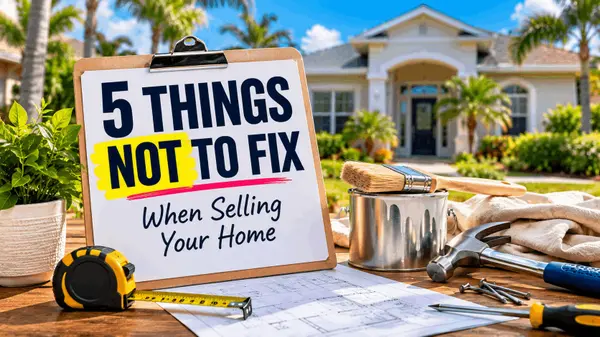
I've written more about this in 5 Things NOT to Fix When Selling Your Home, including why I recommend evaluating the whole property before spending money on improvements.
If you're preparing to sell a home on Florida's Space Coast, visit my Selling a Home on Florida's Space Coast page to learn how I help homeowners evaluate their property's condition, decide what improvements make sense, and develop a strategy for a successful sale.
Buying a Home on Florida's Space Coast?
A home inspection isn't about finding a perfect house.
It's about understanding what you're buying.
Every home has its own condition, history, and maintenance needs. The important thing is knowing which issues you're comfortable accepting, which deserve more investigation, and when a property may no longer be the right choice.
That's why I value working with experienced professionals like Bill. Their expertise gives buyers information they need, and my role is to help them use that information to make informed real estate decisions.
If you're considering buying a home in Melbourne, Viera, Palm Bay, Rockledge, or elsewhere in Brevard County, you don't have to figure out the process on your own.
You can explore my Home Buying Resources or schedule a 30-minute Personalized Consultation to discuss your plans.
Frequently Asked Questions About Florida Home Inspections
What's the difference between a four-point inspection and a regular home inspection?
A regular home inspection provides a broader evaluation of a home's visible and accessible components. A four-point inspection focuses specifically on the roof, electrical, plumbing, and HVAC systems, primarily for insurance purposes.
Do I need a four-point inspection to buy a house in Florida?
Not every buyer needs one. Your insurance company may require a four-point inspection depending on the property and its underwriting requirements. Ask your insurance agent early so you understand what's needed.
What is a wind mitigation inspection used for?
A wind mitigation inspection documents qualifying wind-resistant features of a home. Insurance companies use that information to determine whether windstorm premium discounts apply.
Should I get a home inspection on new construction?
An independent inspection is worth considering even when the home is brand new. Pre-drywall inspections can identify certain installation issues before they're concealed, while final inspections evaluate the completed home and its operating systems.
Are cracks in stucco normal in Florida?
Small hairline cracks can occur, but their significance depends on the location, width, pattern, and surrounding conditions. An inspector can evaluate visible cracking and recommend specialist assessment when necessary.
What happens if the home inspection finds major problems?
Your next steps depend on the findings and the terms of your contract. You may need additional evaluations, repair estimates, negotiations, or a decision about whether to proceed. Discuss the report and contractual deadlines with your Realtor promptly.
Should a seller get a home inspection before listing?
Sometimes. A pre-listing inspection can help identify conditions that may affect insurance, financing, or negotiations. Whether it makes sense depends on the property's condition, the seller's goals, and the overall selling strategy.
About Tina Veltri

I'm Tina Veltri, a Realtor with LPT Realty here on Florida's Space Coast. I help homeowners and families make informed real estate decisions, with a special focus on downsizing, selling longtime homes, and navigating the sale of a parent's home or inherited property.
Whether you're preparing a home you've owned for decades, helping a parent make a move, managing an inherited property from out of state, or looking for the right home for your next chapter, I help you look at the whole picture before making decisions.
From evaluating a property's condition and deciding what to repair to coordinating vendors, preparing the home for sale, and developing a pricing and marketing strategy, I provide practical guidance and hands-on support throughout the process.
With more than eight years of real estate experience, I hold the Graduate, REALTOR® Institute (GRI) and Real Estate Negotiation Expert (RENE) designations. My background in visual presentation, education, and staging, along with my commitment to staying current with Florida real estate changes, shapes the guidance I provide.
I grew up on Florida's Space Coast and serve Melbourne and communities throughout Brevard County.
Tina Veltri | REALTOR® | LPT Realty
Florida's Space Coast | Brevard County
321-341-6541 | tina@tinaveltri.com | tinaveltri.com
Let's Talk About Your Next Move
Whether you're preparing to sell, considering a move, or navigating a family property decision, I'd be happy to help you evaluate your options and develop a plan.
Schedule a 30-Minute Personalized Consultation to get started.
Want to learn more about my experience and approach? Visit Why Work With Tina.
Buying or selling outside Florida's Space Coast? I can also help you connect with a real estate agent in another Florida market or elsewhere in the country through my Referral Network.
Categories
Recent Posts





Raised on Florida’s Space Coast, Tina Veltri brings local insight and a hands-on approach to every move. Buy | Build | Sell | Relocate with Confidence — and experience strategic staging, smart pricing, and proven results.