Named Successor Trustee After a Death? What to Do With Your Parent's House in Florida

Your parent has passed away, and you've been named successor trustee. Now you're facing questions you may never have expected to answer.
Can you sell the house? Who pays the mortgage, insurance, and other expenses? What happens to everything inside? And what if other family members have different ideas about what should happen next?
If the property is in Melbourne, Viera, Palm Bay, Satellite Beach, or another Brevard County community, you may also be dealing with Florida-specific concerns involving insurance, property maintenance, and the home's condition.
The good news is that you don't have to make every decision at once. But there are a few things you should address before moving forward.
The Short Answer
If you've been named successor trustee after a parent's death, start by confirming your legal authority, protecting the property, identifying ongoing expenses, and understanding what the trust requires.
Before distributing belongings, renovating, or listing the house for sale, consult a qualified Florida estate or trust attorney. Then have an experienced local Realtor evaluate the property's condition and market value so you can make informed decisions about preparing and selling it.
You don't need to empty the house or have a selling date in mind before asking for real estate guidance.
Watch: Named Successor Trustee After a Death? Here's What to Do First
1. Does Being Successor Trustee Mean You Can Sell the House?
Not necessarily.
Being named successor trustee does not automatically mean you own the property or that you can immediately sell it.
A successor trustee generally steps into a management role when the conditions established by the trust are met. The trustee's responsibilities and authority depend on the trust documents and applicable law.
One important question is whether your parent's house was actually transferred into the trust.
A parent may have created a living trust but never completed the steps necessary to place the property in it.
Florida homestead laws can also affect ownership and what happens to a residence after death.
Before signing a listing agreement or making decisions about the sale, have a Florida estate or trust attorney review the situation.
The attorney can help determine who has authority, whether additional legal steps are required, and who must participate in the transaction.
For more on this distinction, see my related video, Can You Legally Sell Your Parent's Home? Avoid These Costly Mistakes.
2. Protect the House Before You Start Preparing It for Sale
When a parent passes away, their home may sit vacant for weeks or months while the family works through the next steps.
But an empty house still needs attention.
Start by determining:
-
Who has keys and access to the property?
-
Are the doors, windows, and other entry points secure?
-
Is someone checking the house regularly?
-
Has the insurance company been notified about the change in occupancy?
-
Are the utilities and air conditioning operating appropriately?
-
Who is responsible for mortgage payments, HOA fees, taxes, lawn care, and other expenses?
Why Vacant Homes Need Special Attention in Florida
Here on Florida's Space Coast, heat, humidity, heavy rain, and seasonal storms make property maintenance especially important.
A house without appropriate climate control can develop moisture problems. An unnoticed plumbing leak or roof issue can also create significant damage.
Insurance is another important consideration. Some policies have restrictions or conditions involving vacancy or changes in occupancy. Contact the insurer or insurance agent to understand the specific coverage and requirements.
Keep records of expenses and maintenance, and confirm with the attorney who is authorized to arrange and pay for them.
At this stage, protecting the property is more important than updating it.
3. What Should You Do With Everything Inside Your Parent's Home?
For many families, this is the hardest part.
A longtime family home may contain decades of photographs, furniture, clothing, holiday decorations, paperwork, and personal belongings.
Some things have financial value. Others have sentimental value that can't be measured in dollars.
And family members may not agree about what should be kept.
Before arranging an estate sale, donating belongings, or allowing family members to take items, confirm what the trust and applicable legal requirements allow.
Certain belongings may need to be inventoried, documented, or distributed according to specific instructions.
Once you understand what can be done, it helps to approach the process in stages:
-
Identify important documents, valuables, and items requiring special attention.
-
Determine which belongings family members want to keep, subject to the appropriate authority and distribution requirements.
-
Consider an estate sale for suitable items.
-
Arrange donations and removal of remaining belongings.
-
Schedule cleaning and property preparation when the family is ready.
I've worked with families who needed several months to go through a parent's home. There wasn't a reason to rush them through a process that required time and thoughtful decisions.
And here's something important: You don't need to finish the cleanout before having a Realtor evaluate the property.
An early conversation can actually help you avoid unnecessary work.
4. What Happens When Several Siblings or Beneficiaries Are Involved?
Imagine three siblings are beneficiaries of their parent's trust.
One wants to sell the house. Another is considering keeping it. The third lives out of state and wants to understand the financial implications.
Those conversations can become complicated, especially when everyone is dealing with the loss differently.
However, being a beneficiary does not necessarily give someone authority to make decisions about the property.
The trust documents, property ownership, and applicable law determine the decision-making process.
From a real estate standpoint, one of the most helpful things you can do is obtain a realistic assessment of the home's value and condition.
That gives the family a factual starting point.
Rather than guessing what the house might sell for, you can begin discussing actual market conditions, potential preparation expenses, and possible selling strategies.
A Realtor can provide property and market information, while the family's attorney handles questions involving legal authority and beneficiaries' rights.
5. Should You Renovate Your Parent's House Before Selling It?
This is where families can spend money unnecessarily.
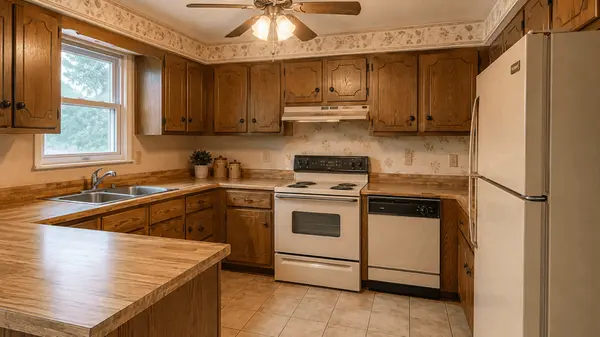
Maybe your parents lived in their house for thirty or forty years. The kitchen is dated, the bathrooms are older, and the flooring isn't what today's buyers might choose.
Does that mean you need to renovate?
Not necessarily.
A dated but well-maintained home is very different from a property with significant condition problems.
Before spending money, consider three questions.
What Repairs Are Necessary to Protect the Property?
Active leaks, unsafe conditions, moisture problems, and other issues that could cause further damage deserve prompt attention, with the appropriate authorization.
What Improvements Will Buyers Actually Value?
Replacing an older kitchen or installing new flooring doesn't automatically mean you'll recover the expense when you sell.
What buyers expect—and what they're willing to pay—depends on the property's neighborhood, price range, condition, and competing homes.
Would Selling As-Is Make More Sense?
Sometimes the best approach is cleaning, decluttering, making a few targeted repairs, and presenting the property well.
Other times, selling as-is may be more practical, particularly when the property needs extensive work.
Significant condition issues may also affect insurance, financing, and which buyers can purchase the home.
The right decision comes from evaluating the property and local market—not assuming every older home needs a renovation.
Related reading: 5 Things NOT to Fix When Selling Your Home.
6. When Should a Successor Trustee Contact a Realtor?
Earlier than many families realize.
You may think you need to finish sorting through belongings, complete repairs, and decide exactly when to sell before contacting a real estate agent.
But that's often when valuable guidance could have helped most.
When I meet with a family about a parent's home, we can discuss:
-
The property's current condition and potential market value.
-
Which repairs or improvements may be worthwhile.
-
Whether selling as-is is a reasonable option.
-
What preparation would make the biggest difference.
-
Whether an estate sale, donations, cleanout, cleaning, or staging may be helpful.
-
How to approach the selling timeline based on the family's circumstances.
-
What local services and professionals may be needed.
Every property requires a different strategy.
A well-maintained home in Viera may need very little preparation. A longtime family home in Melbourne or Satellite Beach may present completely different decisions.
And if you're managing the property from another state, having someone local who can help coordinate the real estate preparation can make the process easier to manage.
My role is to guide the property-related decisions and selling process while working alongside the family's attorney and other appropriate professionals.
7. A Practical Starting Checklist for Successor Trustees
If you're unsure where to begin, focus on these initial steps:
- Contact a Florida estate or trust attorney to confirm your authority and responsibilities.
- Verify how the property is titled and whether it is part of the trust.
- Secure the house and arrange appropriate property checks.
- Review insurance coverage and ongoing property expenses.
- Keep records of authorized payments and maintenance.
- Confirm requirements before distributing belongings.
- Discuss the property's future with the appropriate family members.
- Obtain a local real estate evaluation before committing to renovations.
- Develop a realistic plan for preparation and sale, if selling is appropriate.
You don't have to complete everything immediately. The goal is to address what matters first and avoid decisions that could create unnecessary expenses or complications.
Selling a Parent's or Loved One's Home on Florida's Space Coast?
There's much more to consider than simply putting the house on the market.
Whether you're a successor trustee, an adult child, or another authorized family representative, I can help you understand the property's condition, evaluate your selling options, and develop a practical plan.
You don't need to have the house cleaned out or know when you're ready to sell.
We can begin with where things stand today.
Schedule a Personalized Consultation
You can also explore my Selling a Parent's Home resource page and request my free guide to help you understand the decisions ahead.
Frequently Asked Questions
Can a successor trustee sell a house in Florida without probate?
A properly funded trust may allow certain property to be administered without probate. However, whether a particular home can be sold through the trust depends on its ownership, the trust terms, Florida homestead considerations, and other legal circumstances. Have a Florida attorney confirm the requirements.
Does every beneficiary have to agree to sell the house?
Not necessarily. Beneficiaries and trustees have different roles, and the answer depends on the trust, property ownership, and applicable law. This is a question for the attorney handling the trust or estate.
Should we clean out the house before calling a Realtor?
No. An initial property evaluation can help determine what preparation is actually necessary. You may be able to avoid spending money on work that won't improve the selling outcome.
Can I sell my parent's home if I live outside Florida?
Potentially, if you have the appropriate legal authority. Many property-related tasks can be coordinated remotely, although certain documents, signatures, and legal requirements must be addressed. A local Realtor can assist with the real estate preparation and sale.
How do I know what my parent's house is worth?
A local Realtor can prepare a comparative market analysis using recent sales, competing properties, location, condition, and current market conditions. An appraisal may also be appropriate depending on the trust or estate's needs and the attorney's advice.
Related Articles
-
Selling an Inherited Home in Brevard County, Florida: What to Do First — A broader look at the decisions families face after inheriting property.
-
5 Things NOT to Fix When Selling Your Home — How to avoid spending money on improvements that may not help the sale.
-
How We Sold a Parent's $1.35 Million Home in Melbourne, Florida in Just 2 Days — A real example of property preparation and a selling strategy tailored to a family's circumstances.
About Tina Veltri

I'm Tina Veltri,a Realtor with LPT Realty here on Florida's Space Coast. I help homeowners and families make informed real estate decisions, with a special focus on downsizing, selling longtime homes, and navigating the sale of a parent's home or inherited property.
Whether you're preparing a home you've owned for decades, helping a parent make a move, managing an inherited property from out of state, or looking for the right home for your next chapter, I help you look at the whole picture before making decisions.
From evaluating a property's condition and deciding what to repair to coordinating vendors, preparing the home for sale, and developing a pricing and marketing strategy, I provide practical guidance and hands-on support throughout the process.
With more than eight years of real estate experience, I hold the Graduate, REALTOR® Institute (GRI) and Real Estate Negotiation Expert (RENE) designations. My background in visual presentation, education, and staging, along with my commitment to staying current with Florida real estate changes, shapes the guidance I provide.
I grew up on Florida's Space Coast and serve Melbourne and communities throughout Brevard County.
Tina Veltri | REALTOR® | LPT Realty
Florida's Space Coast | Brevard County
321-341-6541 | tina@tinaveltri.com | tinaveltri.com
Let's Talk About Your Next Move
Whether you're preparing to sell, considering a move, or navigating a family property decision, I'd be happy to help you evaluate your options and develop a plan.
Schedule a 30-Minute Personalized Consultation to get started.
Want to learn more about my experience and approach? Visit Why Work With Tina.
Buying or selling outside Florida's Space Coast? I can also help you connect with a real estate agent in another Florida market or elsewhere in the country through my Referral Network.
Categories
Recent Posts







Raised on Florida’s Space Coast, Tina Veltri brings local insight and a hands-on approach to every move. Buy | Build | Sell | Relocate with Confidence — and experience strategic staging, smart pricing, and proven results.