How to Buy a New Construction Home: Step-by-Step Process for Buyers
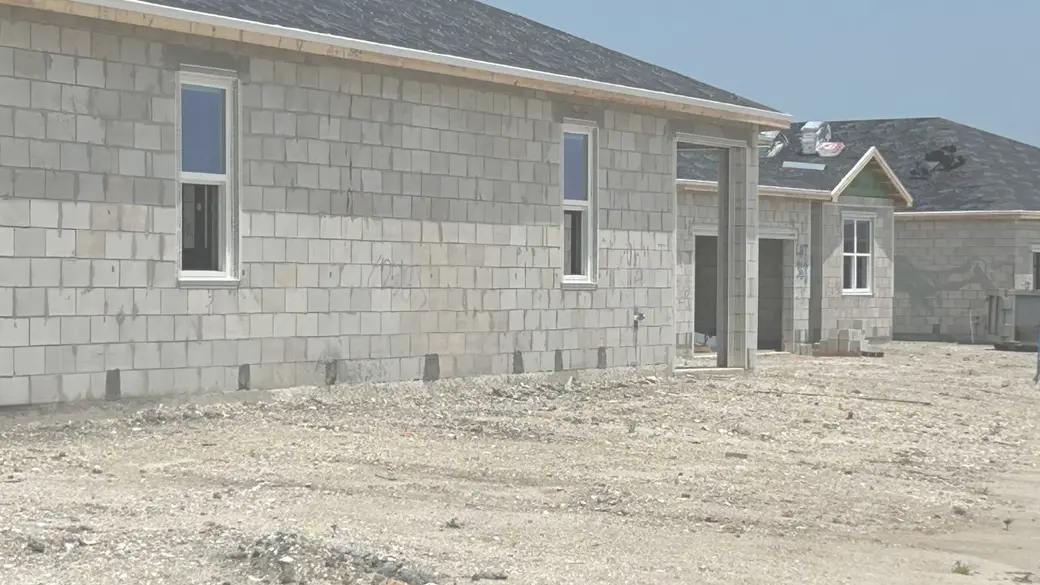
Buying a new construction home can look simple from the outside. You visit a model home, choose a floor plan, pick a homesite, sign a contract, and wait for your new home to be built.
But there are decisions happening throughout that process that can affect what you pay, what you're actually getting, your financing, your inspections, and even whether you can have your own Realtor representing you.
That's why I tell buyers to understand the process before they start visiting builders.
The basic new construction home-buying process looks like this:
- Understand your budget and financing.
- Talk to your Realtor before contacting builders.
- Compare builders, communities, and your different home options.
- Understand the real cost of the home and any incentives.
- Review the builder's contract, deposits, and timeline.
- Stay involved during construction.
- Have independent inspections when appropriate.
- Complete your final walkthrough and prepare for closing.
- Understand your warranty and what happens after closing.
The exact process varies depending on the builder and whether you're buying a home that's already completed, under construction, or building from an earlier stage.
But knowing what's ahead can help you ask better questions and make better decisions from the beginning.
Step 1: Understand Your Budget and Financing
Before you fall in love with a model home, understand what you're comfortable spending.
And I don't just mean the amount a lender says you're qualified to borrow.
I want buyers to understand what the home may actually cost them each month and whether that number works for their life.
Depending on the community, you may need to consider:
- property taxes
- homeowners insurance
- HOA fees
- CDD assessments, if applicable
- upgrades and options
- lot or homesite premiums
- closing costs
- interest rate and financing terms
Builders often have preferred lenders and may offer substantial incentives for using them. Those incentives can sometimes make the builder's lender a very attractive option.
But I still like buyers to understand their financing before they get that far.
That gives you something to compare and helps you evaluate the whole financing package, rather than focusing only on the incentive being advertised.
Step 2: Talk to Your Realtor Before You Contact the Builder
This is one of the most important things I tell new construction buyers:
If you're already working with a Realtor, call them before you call the builder or visit a model home.
I've had this happen to my own buyers.
One buyer simply called a builder to ask a few questions. He hadn't even visited the community. But because he provided his information during that initial contact, the builder's registration rules later prevented me from representing him when he became interested in purchasing there.
Another buyer stopped at a model home while they were out one Saturday. They signed in but didn't identify me as their Realtor because they didn't realize it mattered.
Later, we learned that I couldn't represent them with that builder either.
Neither buyer was trying to leave me out of the transaction. They simply didn't know how the builder's registration process worked.
Builders establish their own policies about Realtor registration and participation, and those policies can vary. That's why I don't want buyers assuming that they can visit first and figure out representation later.
If you already have a Realtor, tell them you're considering new construction before making that first contact.
If you don't have a Realtor yet, this is a good time to find someone who understands the new construction process.
Related Article : Do You Need a Realtor When Buying New Construction?
Step 3: Compare the Builder, Community, and Type of Home
Before choosing a house, understand what you're actually buying.
New construction can mean several different things.
Move-In Ready or Quick Move-In Homes
These homes are already completed or close to completion.
The builder has usually made most or all of the structural and design choices, so there may be very little for you to select. The advantage is a much shorter timeline, and builders may offer incentives on homes they want to sell quickly.
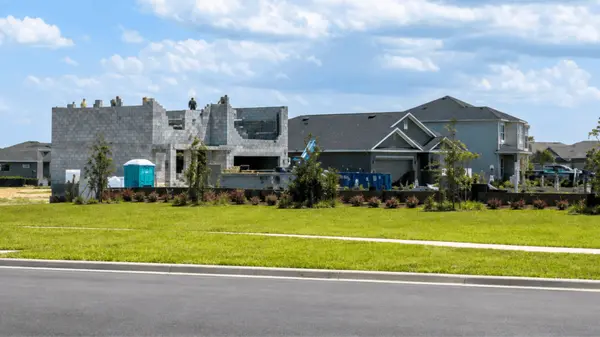
Homes Already Under Construction
You may be able to purchase a home while construction is underway.
Depending on how far along the home is, some decisions may already have been made while others may still be available to you.
To-Be-Built or Semi-Custom Homes
You may select a floor plan and homesite and then make certain structural or design choices offered by the builder.
Exactly how much you can change depends on the builder and where you are in the construction process.
Custom Homes
A true custom build is a different process and can involve substantially more decisions about the home, design, land, financing, construction, and timeline.
The important thing is not simply deciding that you want a “new house.”
It's understanding which kind of new construction experience fits your budget, timeline, and how much decision-making you actually want to do.
Step 4: Understand What the Home Is Really Going to Cost
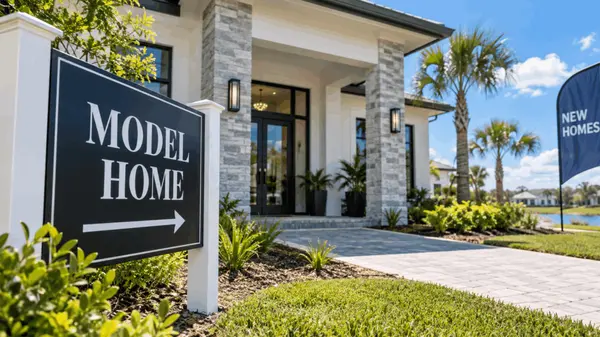
This is where buyers can get distracted by the model home.
Model homes are designed to show what is possible. They may include upgrades, structural options, premium finishes, landscaping, and design features that aren't included in the advertised starting price.
So when you're walking through the model, we need to distinguish between:
What's included? What's an upgrade? And what will the home you actually want cost?
You may also encounter homesite or lot premiums.
One homesite may be included in the base price while another costs considerably more because of its size, location, view, privacy, water, preserve, or other features.
Then there are builder incentives.
You may see offers involving:
- closing-cost assistance
- interest-rate incentives
- financing promotions
- design-center credits
- upgrades
- price reductions
- incentives on specific inventory homes
Some can be very valuable.
But an incentive shouldn't be evaluated by itself. We need to look at the complete transaction and understand what you're receiving, what conditions apply, and how the numbers compare with your other options.
Step 5: Understand the Contract, Deposit, and Timeline Before You Sign
A builder contract is not the same as a typical resale-home contract.
The builder generally uses its own contract, and the terms can be very different from what buyers expect if they've purchased resale homes before.
Before signing, you need to understand things such as the deposit requirements, financing deadlines, construction timeline, available selections, contingencies, cancellation provisions, and what happens if circumstances change.
You also need realistic expectations about the completion date.
Construction timelines can be affected by permitting, inspections, materials, labor, weather, and other circumstances.
A projected completion date is important for planning, but buyers also need to understand what the contract actually says about timing.
This becomes especially important if you're relocating to Florida or selling another home before you move.
Step 6: Stay Involved While the Home Is Being Built
Once the contract is signed, your job isn't simply to disappear until closing.
Depending on what you're building, there may be design selections, construction updates, scheduled meetings, inspections, financing requirements, and other deadlines throughout the process.
And things don't always go exactly as planned.
I've had buyers encounter issues during construction that needed attention. In one case, my buyer tried to get something resolved himself before I became more directly involved and advocated for him.
Eventually, we got it handled.
That's part of why I stay involved throughout the process.
You don't know at the beginning whether you're going to need someone in your corner later.
Step 7: Consider Independent Inspections
A brand-new home can still have problems.
It was built by people, and mistakes can happen—even with reputable builders.
I've seen issues in new homes that buyers would never have known about without an independent inspector.
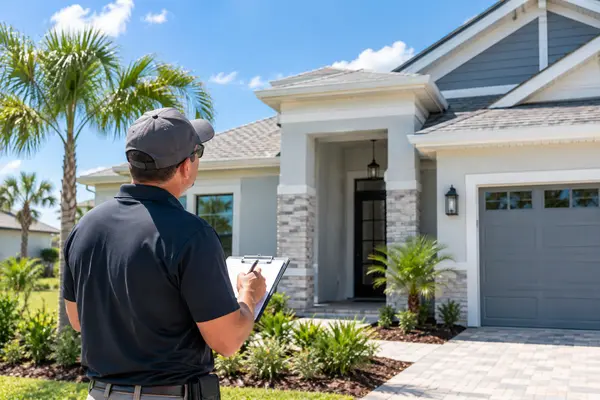
The inspections that make sense can depend on the type of home you're buying and how far along construction is when you purchase it. When appropriate, there may be opportunities to inspect the home at different stages rather than relying only on the builder's own inspection process.
The important distinction is that the inspector you hire works for you.
I also encourage buyers to understand the builder's warranty and consider whether an additional inspection before applicable warranty deadlines makes sense.
Related Article : Do You Need a Home Inspection on New Construction?
Step 8: Complete the Final Walkthrough and Prepare for Closing
As construction nears completion, you'll move toward the final walkthrough and closing.
This is your opportunity to look at the completed home, identify items that may need attention, understand what the builder will address, and make sure you know what happens next.
At the same time, your financing and closing process will be moving forward.
There may be final lender requirements, insurance, title and closing documents, funds needed for closing, and other details that need to come together.
This is another reason I want buyers thinking about the entire process from the beginning rather than treating closing as something that happens automatically once construction is finished.
Step 9: Understand What Happens After Closing
Closing doesn't necessarily end your relationship with the builder.
Most new homes come with some type of builder warranty, but warranties vary. Understand what's covered, how long different coverage lasts, and how warranty requests need to be submitted.
Keep your documents and warranty information somewhere you can easily find them.
And pay attention to any deadlines.
If you're planning an independent inspection before a warranty period ends, don't wait until the last minute to schedule it.
Buying New Construction Is About More Than Choosing a New House
I like new construction. For the right buyer, it can be a great option.
But I don't want someone choosing new construction simply because the model home is beautiful or an advertised incentive sounds good.
I want to know:
What are you trying to accomplish?
What's your budget?
What's your timeline?
Where do you want to live?
Do you have another home to sell?
How important are customization, amenities, lot size, location, or maintenance to you?
And how does this new construction option compare with the other homes you could buy?
Understand the decision first. Then look at the options.
That's how I approach new construction with my buyers.
More Help With Buying New Construction
If you're considering a new home on Florida's Space Coast, I've put my new construction resources together in one place so you can learn more about builders, communities, inspections, financing, incentives, and the decisions that come with buying a brand-new home.
EXPLORE BUYING NEW CONSTRUCTION ON FLORIDA'S SPACE COAST
GET MY FREE NEW CONSTRUCTION GUIDE
Related Articles
Do You Need a Realtor When Buying New Construction?
Learn why I tell buyers to contact their Realtor before calling or visiting a builder—and why that first contact can matter.
Do You Need a Home Inspection on New Construction?
A new home can still have construction issues. Learn why I recommend considering independent inspections and what buyers should understand before closing.
Buying New Construction While the Builder Is Still Building: What Happens If You Need to Sell?
Buying in a community that’s still being built can affect more than your purchase. Learn what to consider if you need to sell before the builder is finished—and how builder competition can affect your resale.
Frequently Asked Questions About Buying a New Construction Home
What is the first step when buying a new construction home?
Start by understanding your budget, financing, timing, and what you're looking for in a home and community. If you plan to work with a Realtor, contact them before contacting or visiting builders because builder registration policies can vary.
Do I need a Realtor to buy a new construction home?
You can purchase directly from a builder, but the onsite sales representative works for the builder. A buyer's Realtor has a different role and can help you evaluate the home, community, pricing, incentives, financing, inspections, and other decisions throughout the process.
Should I use the builder's preferred lender?
Builder financing incentives can sometimes be very attractive, but compare the entire financing package rather than looking only at the advertised incentive. Understand the rate, costs, terms, and conditions before deciding.
Are upgrades included in the advertised price of a new construction home?
Not necessarily. Model homes often contain upgrades and options that aren't included in the base price. Ask what's standard, what's upgraded, and whether a homesite premium or other costs apply.
Do new construction homes need an inspection?
I recommend that buyers consider independent inspections even when purchasing a brand-new home. The appropriate inspections and timing depend on the home and stage of construction.
How long does it take to buy a new construction home?
It depends on what you're buying. A completed or quick move-in home may close relatively quickly, while a home being built from an earlier stage can take many months. Builder timelines can also change, so understand the contract and expected schedule before making plans around a completion date.
About Tina Veltri

I'm Tina Veltri, a Florida Space Coast REALTOR® serving Brevard County. I grew up here, moved away for many years, and eventually came back to raise my family.
Today, I help people understand the process, see their options clearly, and make smart real estate decisions—whether they're buying, building, selling, relocating, or navigating a more complex real estate situation. I also specialize in helping families navigate the sale of a parent's home.
My approach is straightforward: understand the decision first, then look at the options.
Tina Veltri
LPT Realty
321-341-6541
🌐 tinaveltri.com
📧 tina@tinaveltri.com
Categories
Recent Posts



Raised on Florida’s Space Coast, Tina Veltri brings local insight and a hands-on approach to every move. Buy | Build | Sell | Relocate with Confidence — and experience strategic staging, smart pricing, and proven results.