New Construction vs Resale: How to Decide What’s Right for You
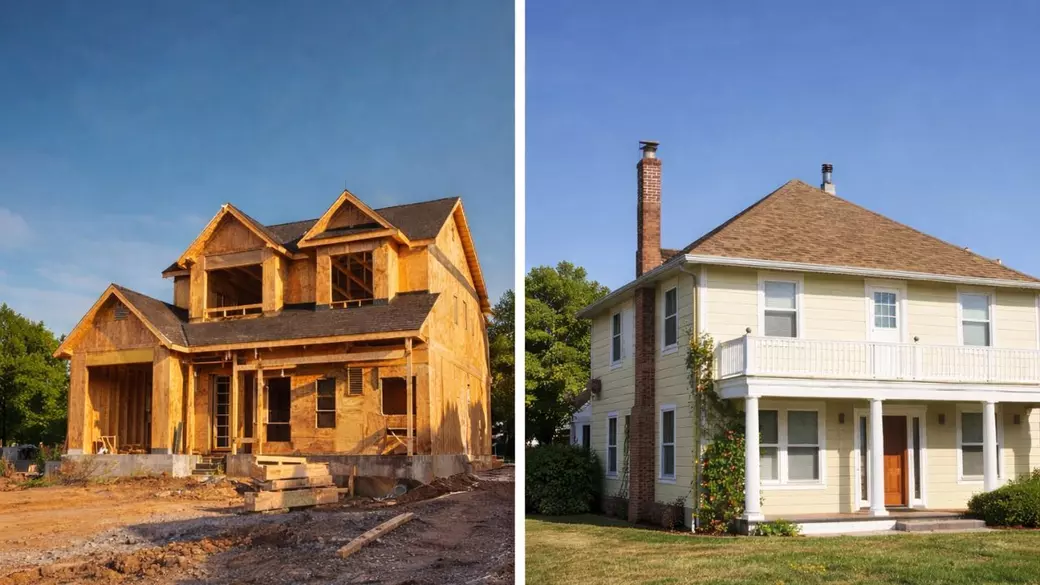
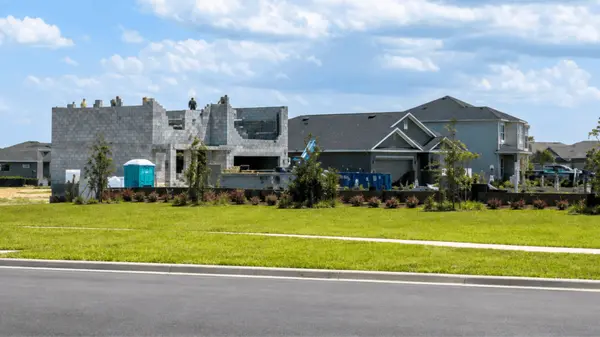
New construction can be a great option. I help buyers with this all the time.
But it’s not as simple as most people think.
A lot of buyers believe the process is:
pick a model → sign paperwork → wait for the house to be done.
And yes, that’s the surface version. But there’s a lot more happening behind the scenes. And if buyers don’t understand the process, this is where they get surprised, stressed, or end up dealing with problems they didn’t expect.
Because I help people buy, build, sell, and relocate, I see this decision play out from every angle. And the goal isn’t to push new construction or resale — it’s to help you understand which one actually fits your situation.
The First Conversation Is Always About Timeline
Before we look at floor plans, tour communities, or fall in love with anything, the first thing we talk about is how you’re buying and what your timeline looks like.
Can you wait and build?
Or do you need to be in a home by a certain date?
That one question changes everything.
If you have time and flexibility, building a semi-custom home may make sense. But if you’re relocating for work, your lease is ending, or you need to sell another home first, resale or a quick move-in option may be the smarter path.
This is also where some buyers realize that new construction isn’t the right fit for them at all — and that’s okay. Clarity here prevents a lot of downstream stress.
If you’re still early in the process, I recommend reading Watch This Before You Build, which walks through what buyers need to understand before visiting model homes and signing in.
Model Homes vs. What You’re Actually Buying
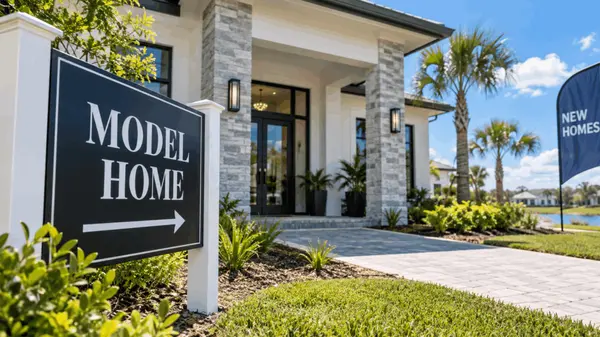
Model homes are meant to look perfect. That’s literally their job.
But one of the most important questions buyers don’t ask when they walk into a model home is:
How much of what I’m looking at is standard — and how much is upgraded?
Every model has a base price.
And then there’s the version you’re standing in.
Cabinets, flooring, countertops, lighting, patios — all of that adds up quickly. And if you don’t separate standard features from upgrades early, it’s very easy to think you’re buying one thing and end up with something very different.
This is why I always tell buyers not to compare model to model — but builder to builder. One builder’s standard may be another builder’s upgrade, and the price on the sign rarely tells the full story.
I walk through this in detail in How to Buy a New Construction Home – Step-by-Step, including how to evaluate builders, contracts, and inspections.
Contracts, Deposits, and the Part Buyers Don’t Slow Down For
New construction contracts are not the same as resale contracts. They’re written by builders and designed to protect the builder.
That’s not necessarily a bad thing — but buyers need to understand what they’re agreeing to.
This is where we slow down and talk through:
-
how much is due at signing
-
whether there are additional deposits during the build
-
when deposits become non-refundable
Real life happens. I’ve had buyers under contract on new construction who had to cancel because a job relocation fell through or a sale didn’t happen on time. Whether they were protected or exposed came down to understanding these details upfront.
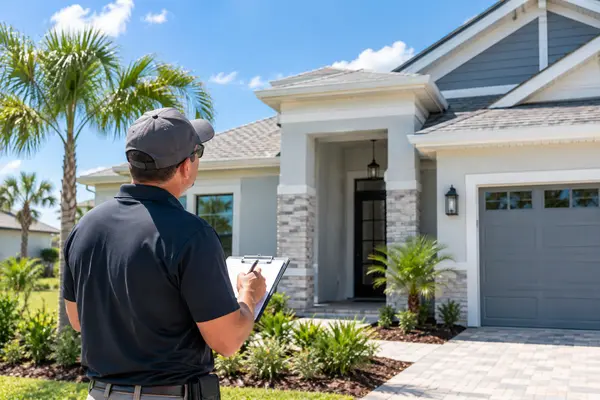
Inspections Are Not Optional — Even in New Construction
This is where I really want buyers to pause.
When someone buys a resale home, they automatically get an inspection. They don’t just trust that the home is perfect.
But in new construction, buyers often do the opposite. They assume. They trust. They rely on the builder and city inspections.
City inspections focus on minimum code requirements. A private inspection looks at the home from the buyer’s perspective.
That includes:
-
pre-pour or foundation inspections
-
pre-drywall inspections
-
final inspections before closing
-
and the 11-month warranty inspection
I’ve spoken with reputable inspectors who consistently find major issues — including plumbing problems — in brand-new homes. Many of those issues would have been identified early with the right inspections.
Representation Still Matters — New Construction or Resale
Most buyers automatically use an agent when purchasing a resale home. They expect guidance, negotiation, and protection.
But in new construction, buyers often go without representation — and this is where I see people get into trouble.
A builder’s rep works for the builder.
A listing agent works for the seller.
An inspector works for whoever hired them.
If you don’t have an agent, no one’s job is to protect you.
And in most cases, buyer representation is already built into the pricing. Going without an agent doesn’t save money — it just removes your advocate.
Where Resale Homes Often Make More Sense
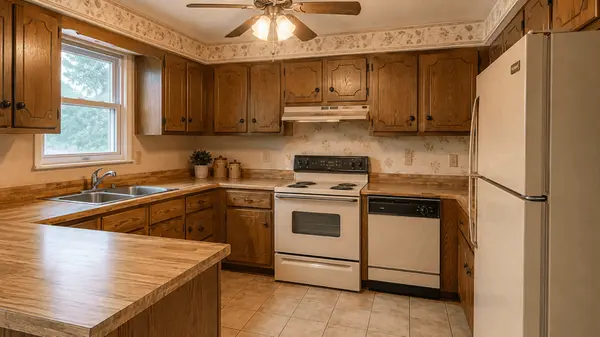
Resale homes offer things new construction often can’t:
-
established neighborhoods
-
mature landscaping
-
proven locations
-
more certainty around timing
For buyers who need predictability — especially those selling a home at the same time — resale can be the calmer, more strategic option.
I see this often in situations similar to those discussed in Selling a Parent’s Home Without Regrets, where timing, emotion, and coordination matter just as much as price.
How Selling Impacts the New vs. Resale Decision
Many buyers making this decision are also selling a home — sometimes in another state. Pricing, preparation, and timing on that sale directly affect whether building is realistic.
That’s why I encourage buyers to understand the seller side as well. I cover that in my Pricing Strategy and Home Staging articles, because buyers who understand how homes sell make better buying decisions.
How I Help Buyers Navigate This
I help people buy, build, sell, and relocate, and those decisions are often connected.
Sometimes buyers are selling in one state and buying here. Other times they’re building here and relocating from somewhere else. When moves involve multiple markets, I coordinate with trusted agents through my nationwide referral network so timelines, pricing, and strategy stay aligned.
This isn’t about choosing new construction or resale.
It’s about choosing what actually works for you.

About Tina Veltri
Tina Veltri is a Florida Space Coast REALTOR® who helps buyers and sellers navigate resale homes, new construction, and relocation throughout Brevard County. Her focus is simplifying the real estate process, asking the right questions, and helping people make confident, informed decisions at every stage.
👉 Contact Tina
📍 Serving Florida’s Space Coast
🤝 Nationwide referral network available
If you’re still in the research phase and just want clarity, I’m always happy to help you think through next steps.
Categories
Recent Posts




Raised on Florida’s Space Coast, Tina Veltri brings local insight and a hands-on approach to every move. Buy | Build | Sell | Relocate with Confidence — and experience strategic staging, smart pricing, and proven results.