Buying a New Construction Home: What Buyers Need to Understand Beyond the Basics

Buying a new construction home is not as simple as choosing a model and signing paperwork.
The process matters — and missing key steps can cost buyers time, money, or leverage.
New construction can be a great option. I help buyers do this every day. But many buyers only see the surface version of the process. What happens behind the scenes is where surprises, stress, and costly mistakes tend to show up.
This guide walks through the new construction buying process step by step, the same way I explain it to buyers before they ever commit to a builder.
Step 1: Start With Timeline — Not Floor Plans
Before you tour communities or fall in love with a model, the first conversation should be about timeline.
Can you wait and build?
Do you need a home by a certain date?
Are you relocating for work, ending a lease, or selling a home first?
That single question changes everything.
If you have flexibility, building a semi-custom home may make sense.
If you have a deadline, a spec home already under construction — or nearing completion — may be the better fit.
And sometimes, after talking through timing honestly, buyers realize that new construction may not be the right option at all. That’s okay.
Timeline affects:
-
which builders make sense
-
what inventory is even available
-
how much flexibility you truly have
This is where strategy starts — not at the model home.
Step 2: Model Homes Are Marketing — Ask the Right Questions
Model homes are designed to look perfect. That’s their job.
One of the most important questions buyers often forget to ask is:
How much of what I’m seeing is standard — and how much is upgraded?
Every model has:
-
a base price
-
and the version you’re standing in
When walking a model, buyers should understand:
-
the base price of the model
-
what features were upgraded
-
roughly how much those upgrades cost
Cabinets, flooring, countertops, lighting — these add up quickly. If you don’t separate standard features from upgrades early, it’s easy to think you’re buying one thing and end up with something very different.
This is also why I always encourage buyers to compare builder to builder, not model to model.
One builder’s standard feature may be another builder’s upgrade — and the price on the sign rarely tells the full story.
Step 3: Contracts & Deposits — Understand the Risk Before You Sign
New construction contracts are not the same as resale contracts.
They are written by the builder and designed to protect the builder — which makes it even more important for buyers to understand what they’re agreeing to.
One of the biggest areas buyers get caught off guard is deposits.
Before signing, buyers should understand:
-
how much is due at contract
-
whether there are additional deposits during the build
-
when deposits become non-refundable
-
what happens if circumstances change
Real life happens.
I’ve worked with relocation buyers who had to cancel a new construction contract because a job they were counting on fell through. They were fortunate to still be within the refundable timeframe. If they weren’t, they would have been stuck.
Excitement can make people overlook risk. This step is about slowing down long enough to understand what money is at risk, when, and why.
Step 4: The Build Phase — Why Pre-Build Inspections Matter
Some of the most important moments in a new construction purchase happen before the house looks finished.
Pre-Pour / Foundation Timing
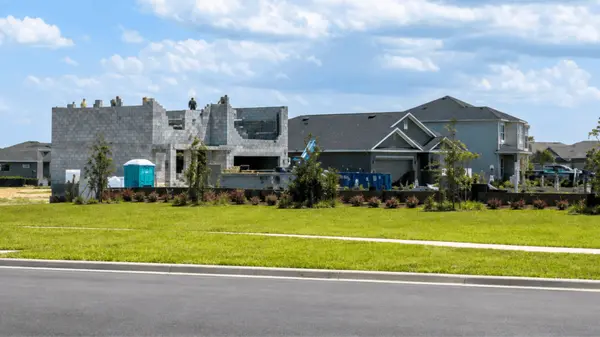
Before concrete is poured, the soil must be properly prepared and given time to settle. Builders don’t wait arbitrarily — they wait because the ground needs time to do what it’s supposed to do.
Once concrete is poured, whatever is underneath is permanent.
Buyers should feel comfortable asking:
-
when soil preparation was completed
-
the scheduled pour date
-
how long the builder is required to wait
-
whether a pre-pour inspection will be completed
This is why pre-build inspections exist — not to slow the process down, but to confirm that each step was completed correctly before moving forward.
You don’t need to be an expert. You just need to understand that sequence and timing matter.
Pre-Drywall Inspection
At this stage, the walls are up but the drywall is not installed. This is the last opportunity to see what’s inside the walls.
A pre-drywall inspection can review:
-
framing
-
electrical
-
plumbing
-
HVAC
-
structural connections
Once drywall goes up, this is all hidden.
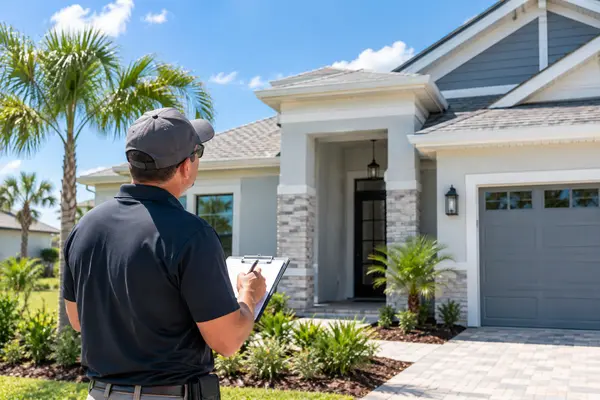
Builders and cities do inspect — but those inspections focus on minimum code compliance. A private inspection looks at the home from the buyer’s perspective.
Skipping pre-build inspections does not save money. It often costs buyers far more later if issues are discovered after completion.
Trust should never replace verification — especially with a decision this significant.
New Construction vs. Resale: A Reality Check
When buyers purchase a resale home, they almost always get a home inspection. They don’t rely solely on the seller’s word. They want independent information.
In new construction, buyers often do the opposite — they trust the process without verifying it.
That doesn’t make sense.
If you wouldn’t rely on a seller’s inspection when buying resale, it doesn’t make sense to rely solely on builder or city inspections when buying new.
Representation Matters — Especially in New Construction
Most buyers automatically use an agent when purchasing a resale home. They expect guidance through inspections, contracts, and closing.
In new construction, many buyers go unrepresented — and that’s where problems tend to show up.
In resale, you’re dealing with a seller.
In new construction, you’re dealing with a builder.
The builder’s rep works for the builder.
The inspector works for whoever hired them.
Without representation, there is no one whose role is to protect the buyer’s interests throughout the process.
In most cases, buyer representation is already built into pricing. Going without an agent doesn’t reduce the price — it simply removes the buyer’s advocate.
Step 5: Design Centers & Upgrade Decisions
Design selections are exciting — and they move fast.
Whether it’s an in-person design center or a virtual portal, this is where costs can climb quickly if buyers aren’t intentional.
It helps to pause and:
-
understand what’s standard
-
identify upgrades that truly change how you live in the home
-
separate must-haves from nice-to-haves
Making a simple priority list keeps decisions aligned with both lifestyle and budget.
Step 6: Pre-Closing, Closing & Warranty
As completion approaches, buyers should not rush:
-
the final walkthrough
-
punch list items
-
the final inspection
Some issues don’t appear until systems are used and seasons change. That’s why an 11-month warranty inspection is so important — while the builder is still responsible for documented repairs.
This step alone can save buyers a significant amount of money.
If you want a full walkthrough of the new construction buying process — including timelines, inspections, and common mistakes buyers make — I break it down step by step in this guide: How to Buy a New Construction Home – Step-by-Step Process.
Final Thoughts
New construction can be an excellent option — but it should still be treated like what it is: a major financial decision.
That means:
-
understanding the process
-
asking the right questions
-
verifying, not assuming
-
and protecting yourself at every stage
👉 If you’re selling a home as part of your move, I’ve already shared several seller-focused videos on pricing strategy and preparation that walk through that side of the process.
👉 Coming up, I’ll also be sitting down with a home inspector to talk through what really matters in both resale and new construction inspections, including timing and common issues buyers should understand before signing a contract.

About Tina Veltri
Tina Veltri is a Florida Space Coast REALTOR® who helps buyers and sellers navigate resale homes, new construction, and relocation throughout Brevard County. Her focus is simplifying the real estate process, asking the right questions, and helping people make confident, informed decisions at every stage.
👉 Contact Tina
📍 Serving Florida’s Space Coast
🤝 Nationwide referral network available
If you’re still in the research phase and just want clarity, I’m always happy to help you think through next steps.
Categories
Recent Posts






Raised on Florida’s Space Coast, Tina Veltri brings local insight and a hands-on approach to every move. Buy | Build | Sell | Relocate with Confidence — and experience strategic staging, smart pricing, and proven results.