What Buyers Need to Know Before Getting a Mortgage (Lender Q&A Explained Clearly)
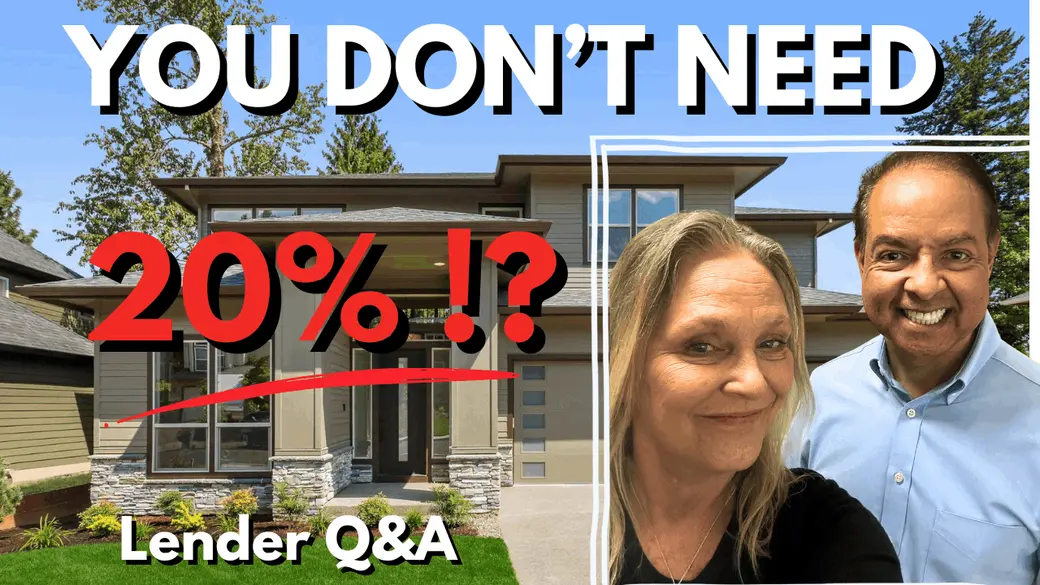
If you’re thinking about buying a home, the mortgage process can feel overwhelming—but it’s also one of the most important parts to understand before you ever start looking at homes.
I sat down with a trusted local lender to walk through the questions buyers ask all the time—because what you don’t understand about financing can impact what you’re able to buy, how smooth the process is, and whether your deal actually makes it to closing.
It’s Not About 20% Down
One of the biggest misconceptions I hear from buyers is that they need 20% down to purchase a home.
That’s simply not true.
There are loan options with much lower down payments—and in some cases, even zero down depending on the program. What matters more is understanding what you qualify for and what makes sense for your situation.
This is why the first real step isn’t looking at homes—it’s having a real conversation with a lender.
Pre-Approval vs Pre-Qualification Matters More Than You Think
This is where I see buyers get into trouble.
A pre-qualification is based on what you say.
A pre-approval is based on verified documentation.
That difference matters when you’re making an offer.
If you’re serious about buying, you need a pre-approval—not an estimate. Because when a seller is looking at your offer, they want to know you can actually close.
A pre-approval carries weight. A pre-qualification does not.
It’s Not Just the Price — It’s the Payment
Buyers naturally focus on price.
But the real conversation should be about your monthly payment.
Because your payment includes principal and interest, taxes, insurance, HOA fees, and sometimes even flood insurance. And those additional costs can completely change what a home actually costs you each month.
I’ve seen buyers approved for a certain price—but when HOA or insurance came into play, that property no longer worked.
The purchase price doesn’t determine affordability—the full monthly payment does.
Why Your Agent and Lender Work Together Behind the Scenes
This is something buyers don’t always see.
There’s constant communication happening between your agent and your lender—especially when you’re close to your budget. We’re checking numbers, confirming details, and making sure a property truly works before you move forward.
That collaboration is what helps prevent problems later.
What Can Stop Your Loan (Even at the Last Minute)
This is one of the most important parts of the process—and where things can go wrong.
Once you’re under contract, your financial situation needs to stay the same.
That means:
- no changing jobs
- no opening new credit
- no large unexplained deposits
I’ve seen transactions fall apart right before closing because of a job change. There’s no fixing that at the last minute.
Once you’re under contract, do not make financial changes without talking to your lender first.
The Appraisal Is Not Just a Formality
Your lender will order an appraisal to determine the value of the home.
And here’s what matters:
They will lend based on the lower of the purchase price or the appraised value.
If a home doesn’t appraise at the agreed price, it can impact the entire deal—sometimes requiring renegotiation or additional funds from the buyer.
A home has to support its value—not just its list price.
Where Buyers Should Really Start
If you’re thinking about buying—even if it’s a year from now—the best place to start is not online.
It’s with a lender.
A full financial review gives you clarity on what you can afford, what needs to be adjusted, and what timeline makes sense for you.
That clarity changes how you search, how you offer, and how confident you feel through the entire process.
👉 How to Buy a Home: The Step-by-Step Process Buyers Need to Understand
👉 Pricing Your Home to Sell: What Most Sellers Get Wrong
👉 Home Inspection Mistakes Buyers Make (What Actually Matters)
Mortgage Questions Buyers Ask Before Getting Started
Should I talk to a lender before looking at homes?
Yes. Talking to a lender first gives you a clear understanding of what you can afford and prevents issues later in the process.
Do I really need 20% down to buy a home?
No. Many loan programs allow for much lower down payments, and some even offer zero down depending on eligibility.
What’s the difference between pre-qualification and pre-approval?
A pre-qualification is based on estimated information. A pre-approval is verified and much stronger when making an offer.
What can affect my loan after I’m under contract?
Changing jobs, opening new credit, or making large financial changes can delay or stop your loan entirely.
What happens if a home doesn’t appraise?
The lender will only lend based on the appraised value, which may require renegotiation or additional funds from the buyer.
I help people understand the process, see their options clearly, and make smart real estate decisions—whether they’re buying, selling, building, relocating, or navigating something more complex.
If you’re still in the research phase and just want clarity, I’m always happy to help you think through next steps.
About Tina Veltri

Tina Veltri is a Florida Space Coast Realtor® and strategic advisor helping buyers and sellers navigate real estate decisions—especially when timing, emotion, or complexity are involved.
👉 Contact Tina
📍 Serving Florida’s Space Coast
🤝 Nationwide referral network available
Categories
Recent Posts






Raised on Florida’s Space Coast, Tina Veltri brings local insight and a hands-on approach to every move. Buy | Build | Sell | Relocate with Confidence — and experience strategic staging, smart pricing, and proven results.